
Discover the current research projects we are funding to help dairy farms better utilize manure nutrients, improve soil health, and increase on-farm efficiency.
Current Projects
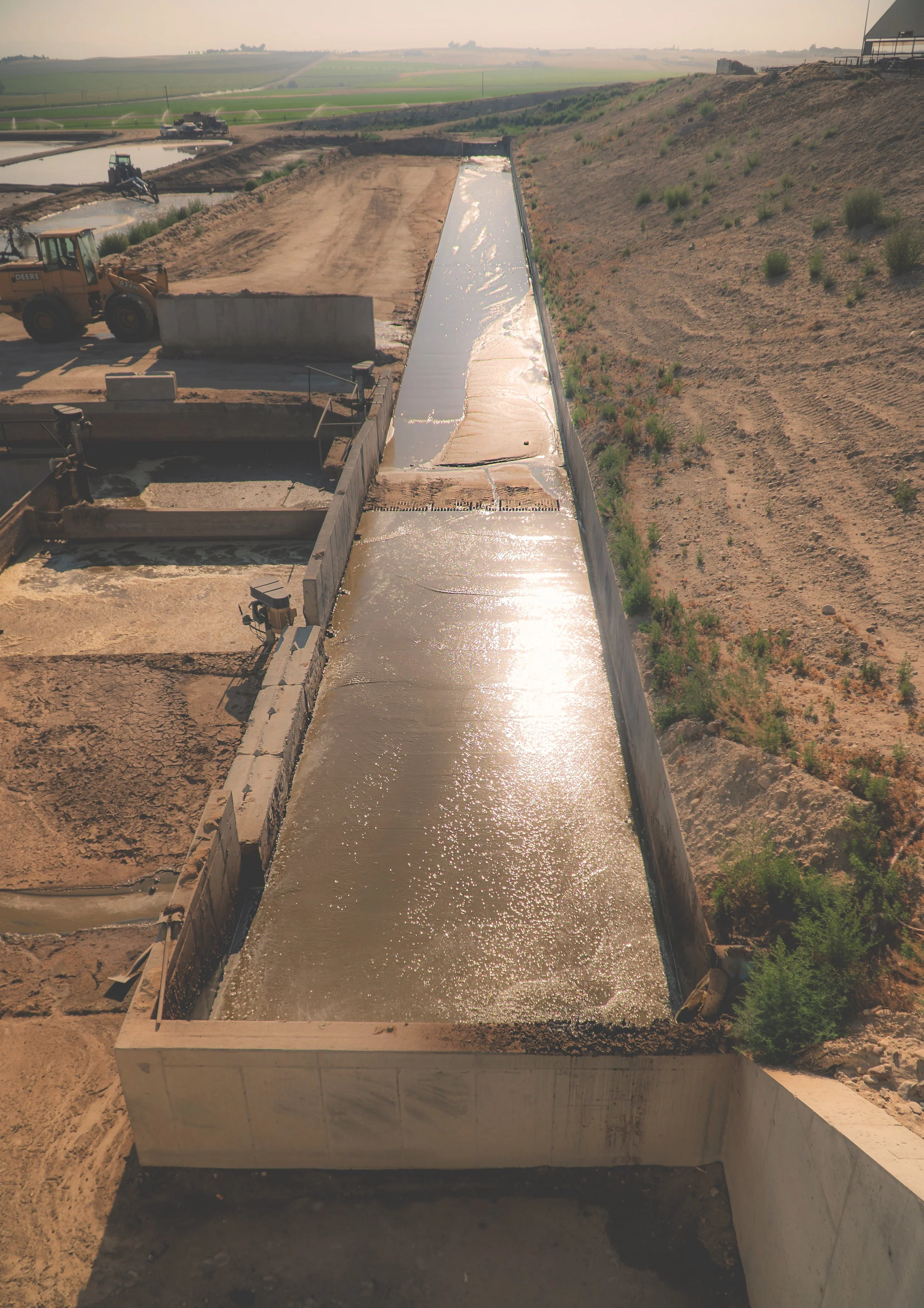
Sustainable Dairy Forage, Manure & Water Management Strategies in the Arid West
Dr. Gilbert Mito, Dr. Matt Yost
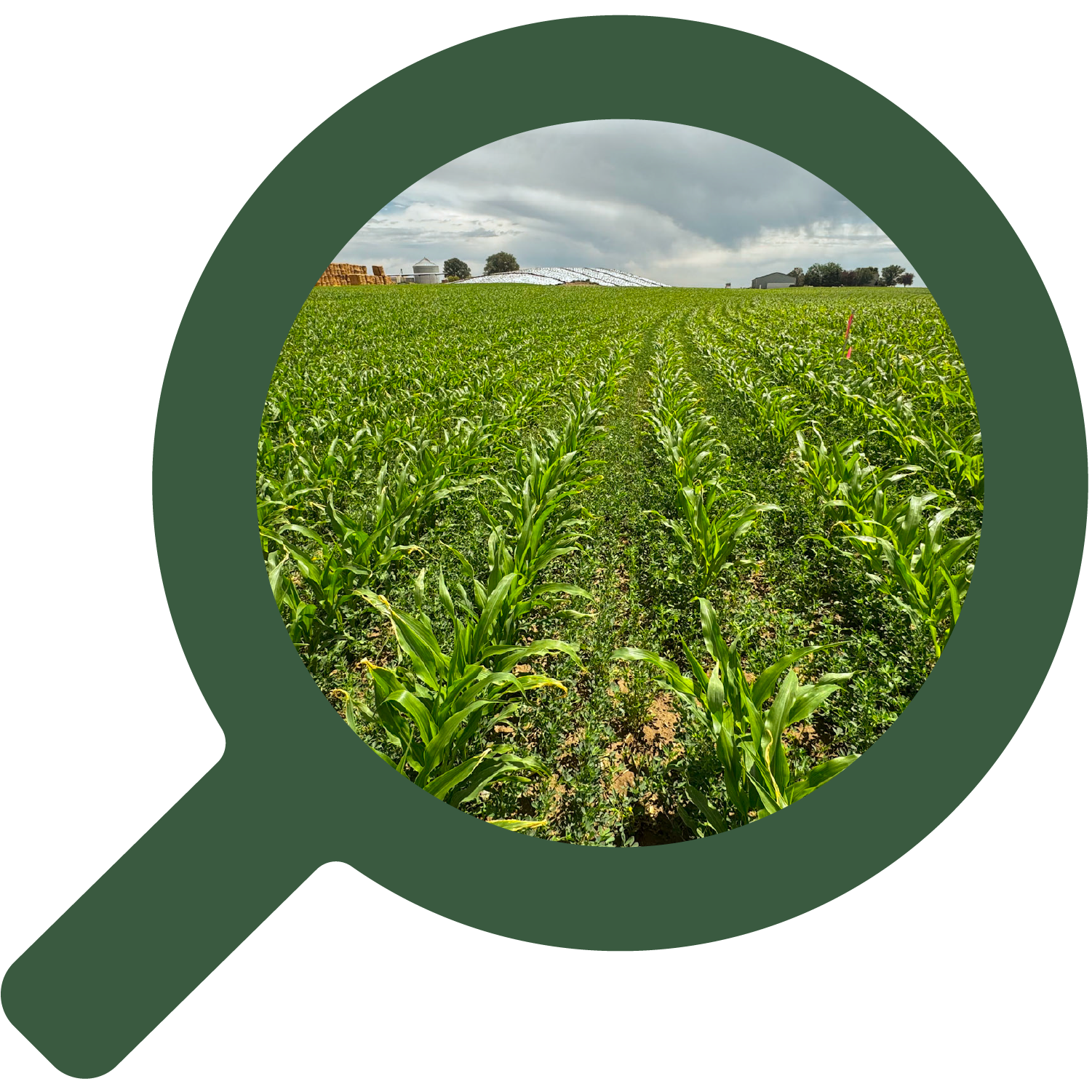
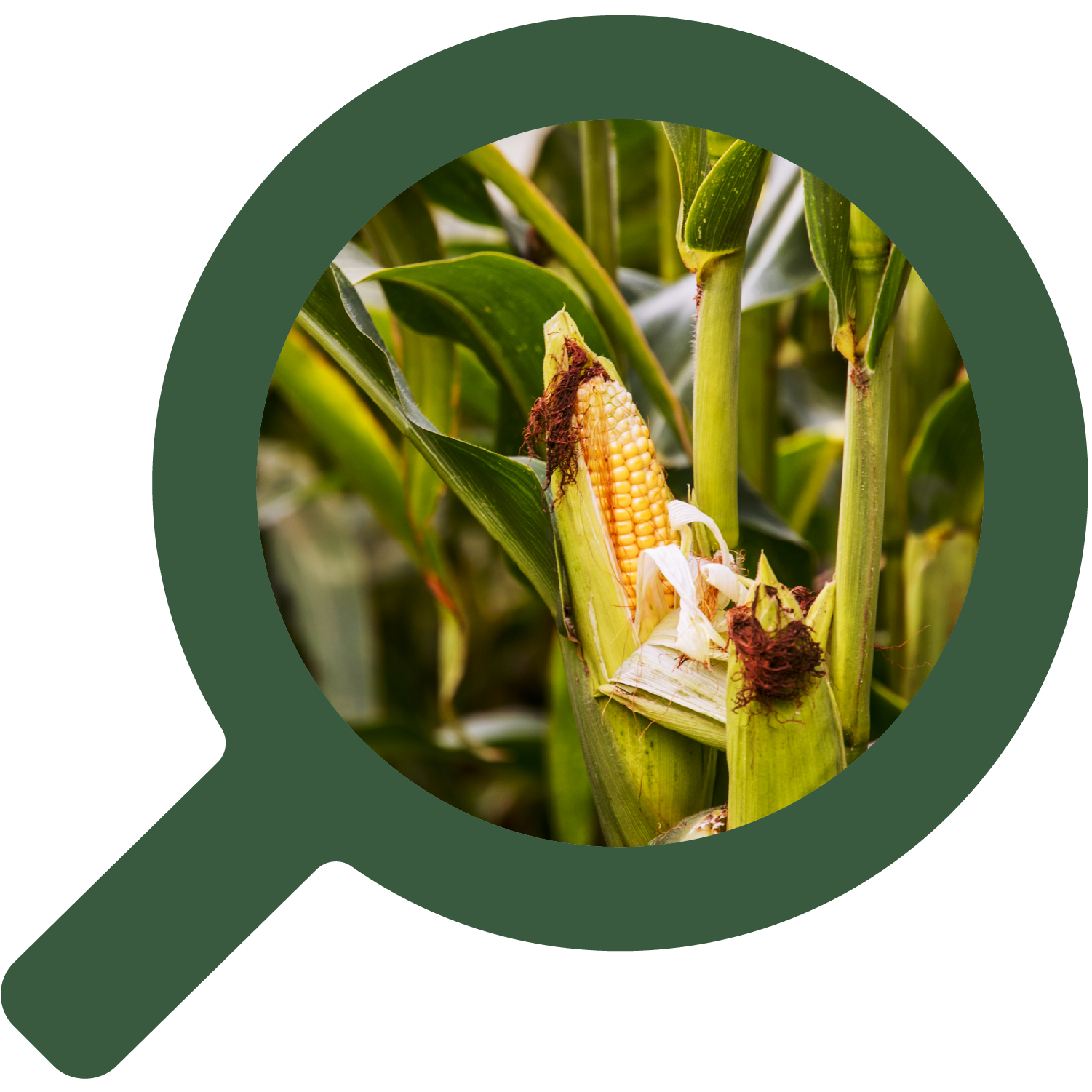
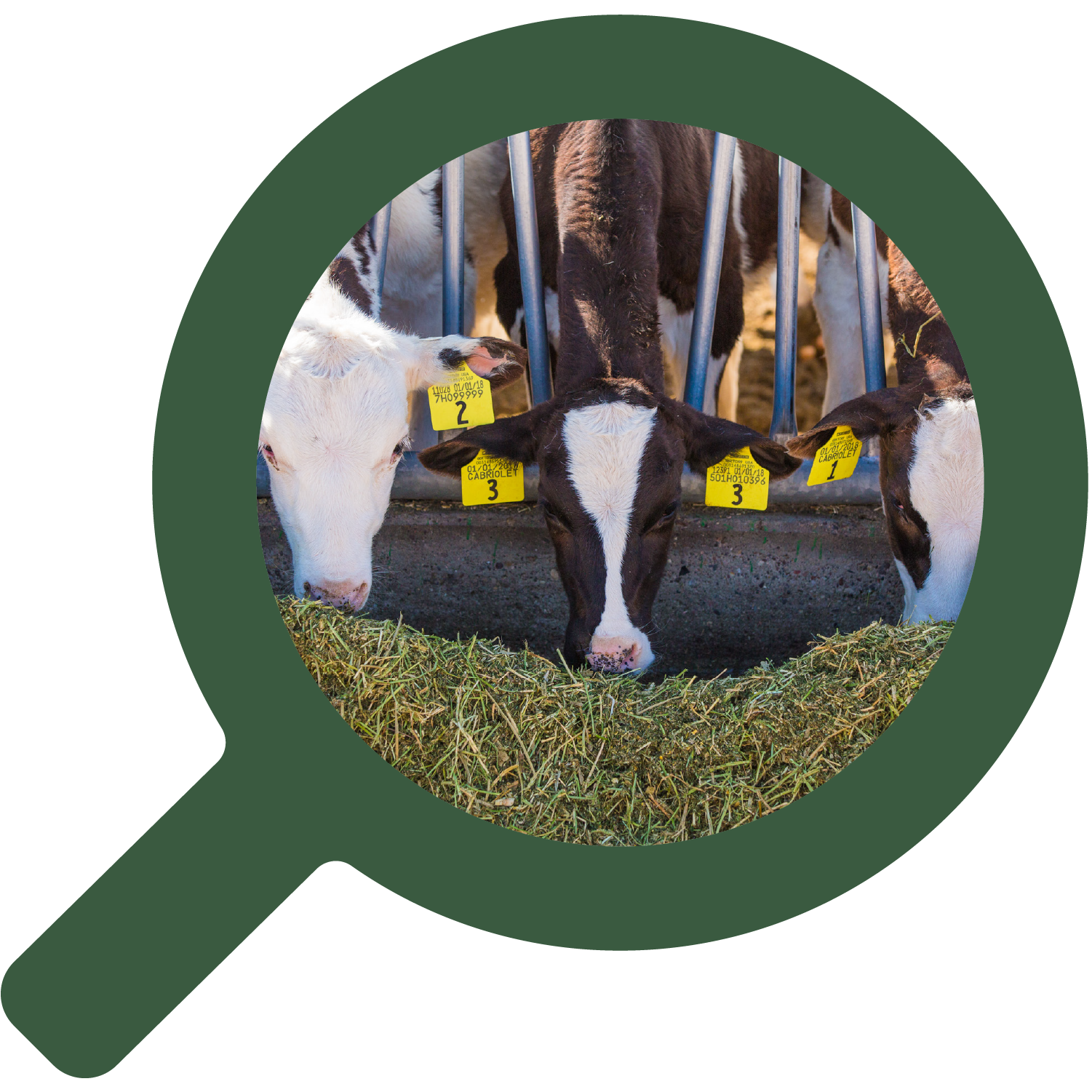
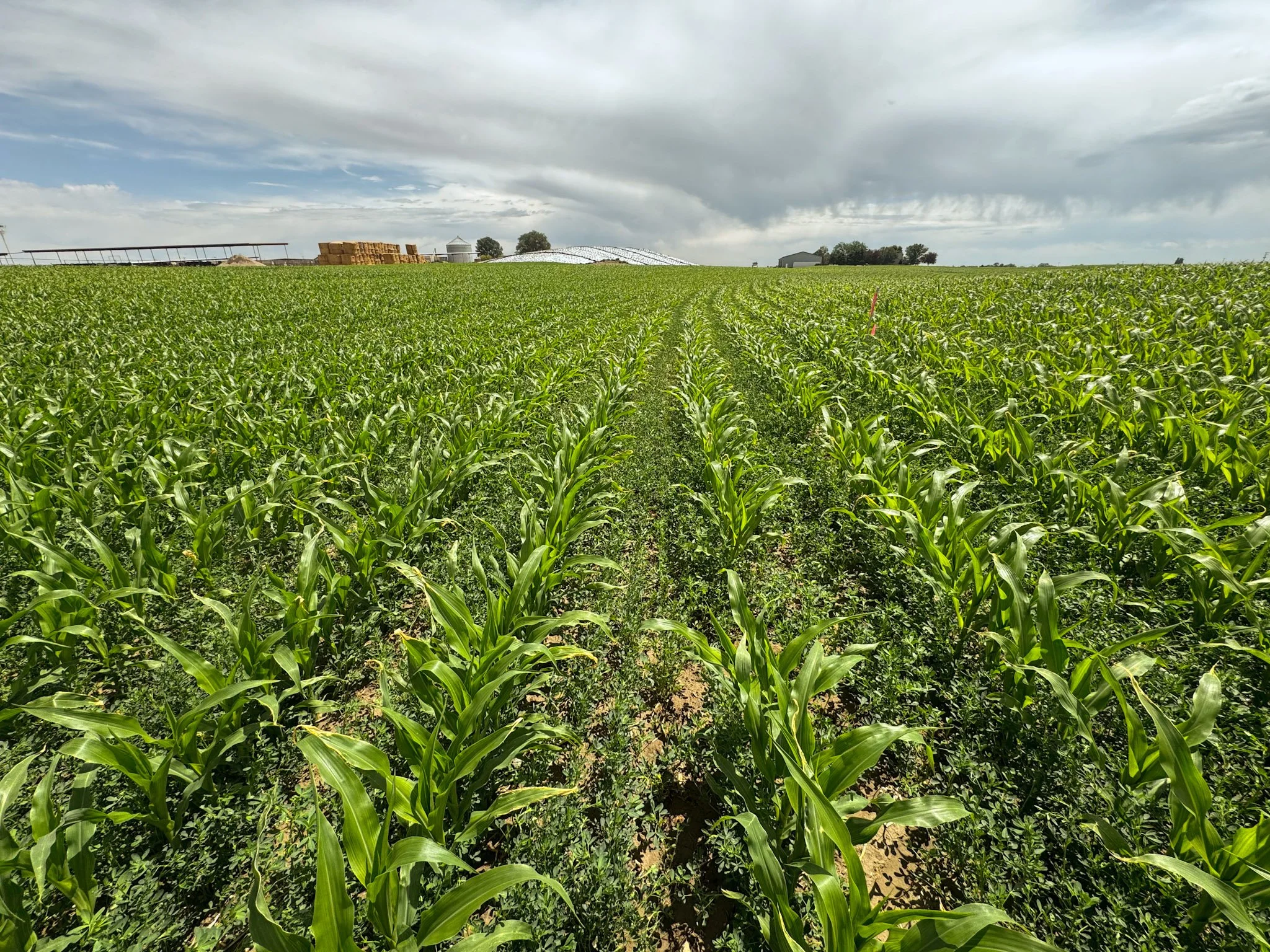
This multi-institutional project involving the University of Idaho, Utah State University, and USDA-ARS aims to quantify how irrigation, manure management, and forage cropping systems interact to influence reactive nitrogen losses, nitrogen and water use efficiency, and forage productivity and quality. Field trials at multiple sites will test innovative cropping and manure strategies under varying irrigation regimes, including interseeded corn-alfalfa rotations and deficit irrigation, while monitoring nitrogen fluxes, soil moisture, and agronomic performance. The research will generate datasets for crop and environmental modeling, with the goal of developing management practices that minimize nitrogen losses and enhance resource efficiency without compromising yield or quality. Findings will be shared with stakeholders through extension programs, providing actionable recommendations to improve the sustainability of Western dairy forage systems.

Impact of Dairy Manure Amendments on Soil Carbon in Southern Idaho
Dr. Daniel Strawn, Manfred Mayer (PhD Student)
This research explores how dairy manure and manure-derived products can improve soil health and support long-term carbon storage. Researchers are studying how different manure applications, including compost, lagoon water, and solid manure, affect the movement and stability of carbon in agricultural soils.
The goal is to better understand how dairy manure can be used as a valuable resource to improve soil quality, reduce environmental impacts, and support carbon sequestration. Findings could help establish science-based methods for measuring carbon storage, support future carbon credit opportunities, and contribute to the dairy industry's long-term sustainability goals.
Nitrogen Removal Potential of Triticale in Cropping Systems Receiving Dairy Effluent Applications
Dr. Amber Moore, Audrey Jenkins (MS Student)
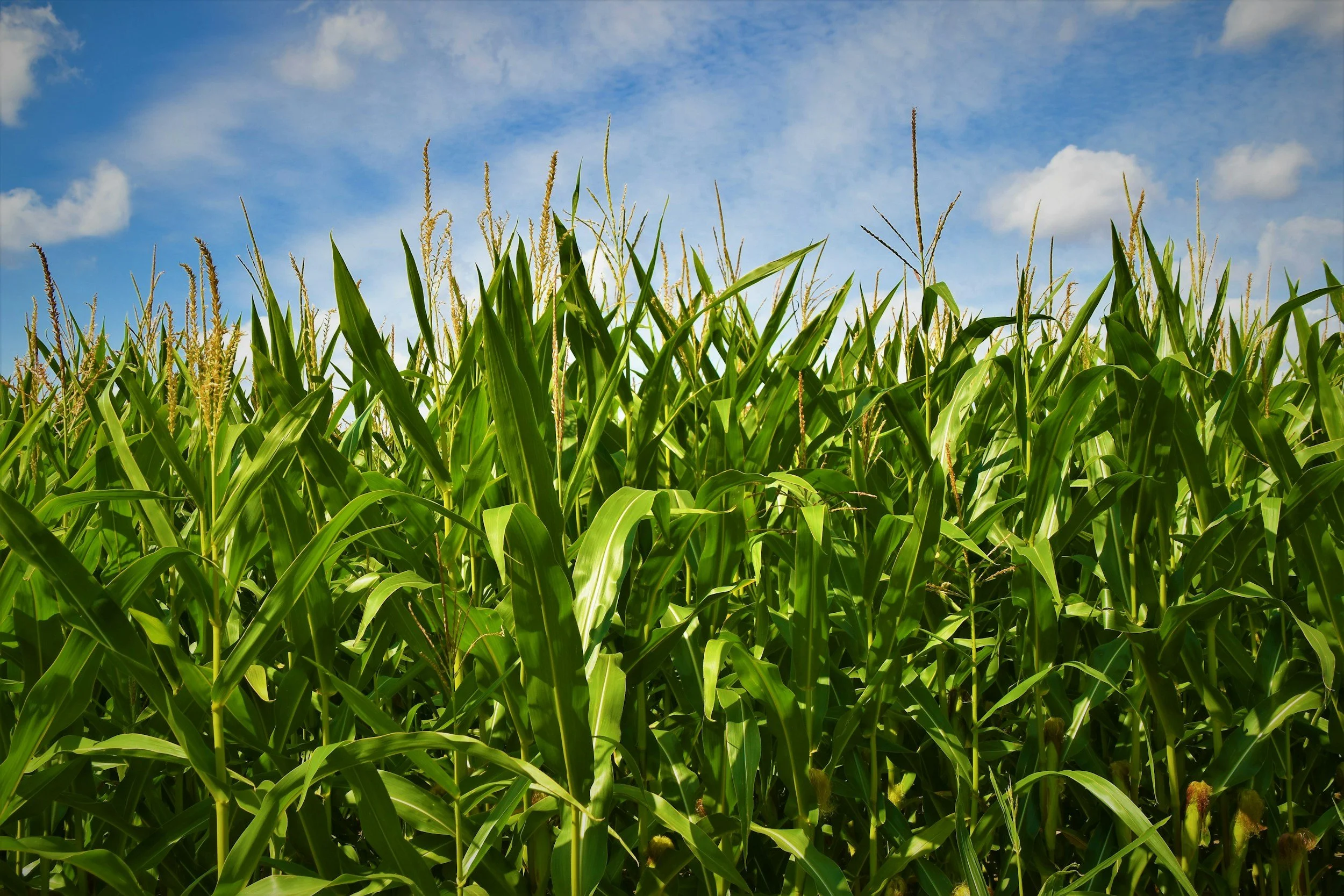
This study investigates whether nitrogen in dairy lagoon effluent is vulnerable to nitrate leaching losses after winter application, when crop nitrogen uptake is reduced. The project assesses the nitrogen removal potential of fall-planted triticale forage during the winter and spring growing seasons when dairy lagoon effluent is applied. Findings from this research will support improved best management practices for fall forage systems receiving dairy effluent.

Valorization of Dairy Wastewater Biomass Through Hydrothermal Liquification
Dr. Owen McDougal, Logan Mallory (MS Student)
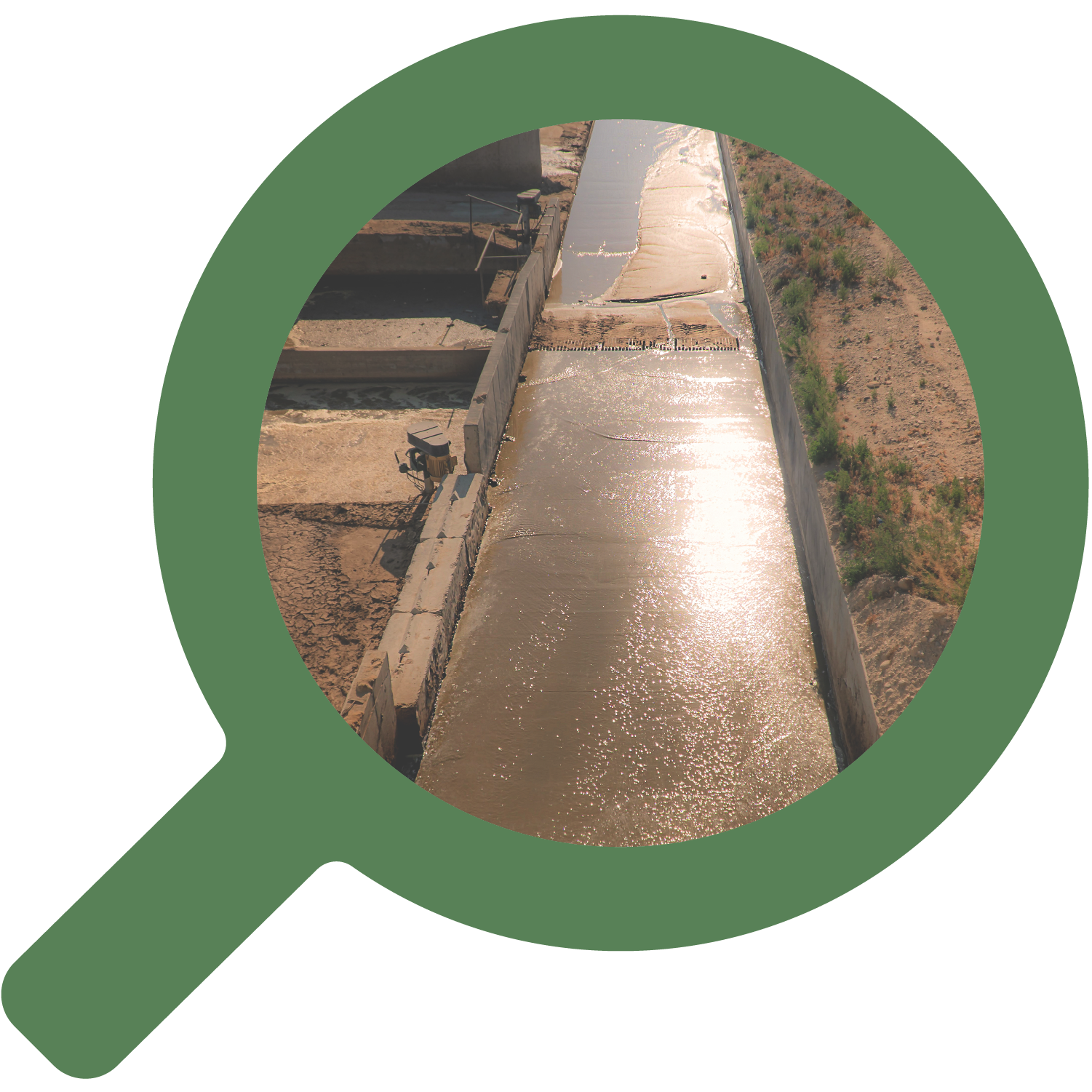
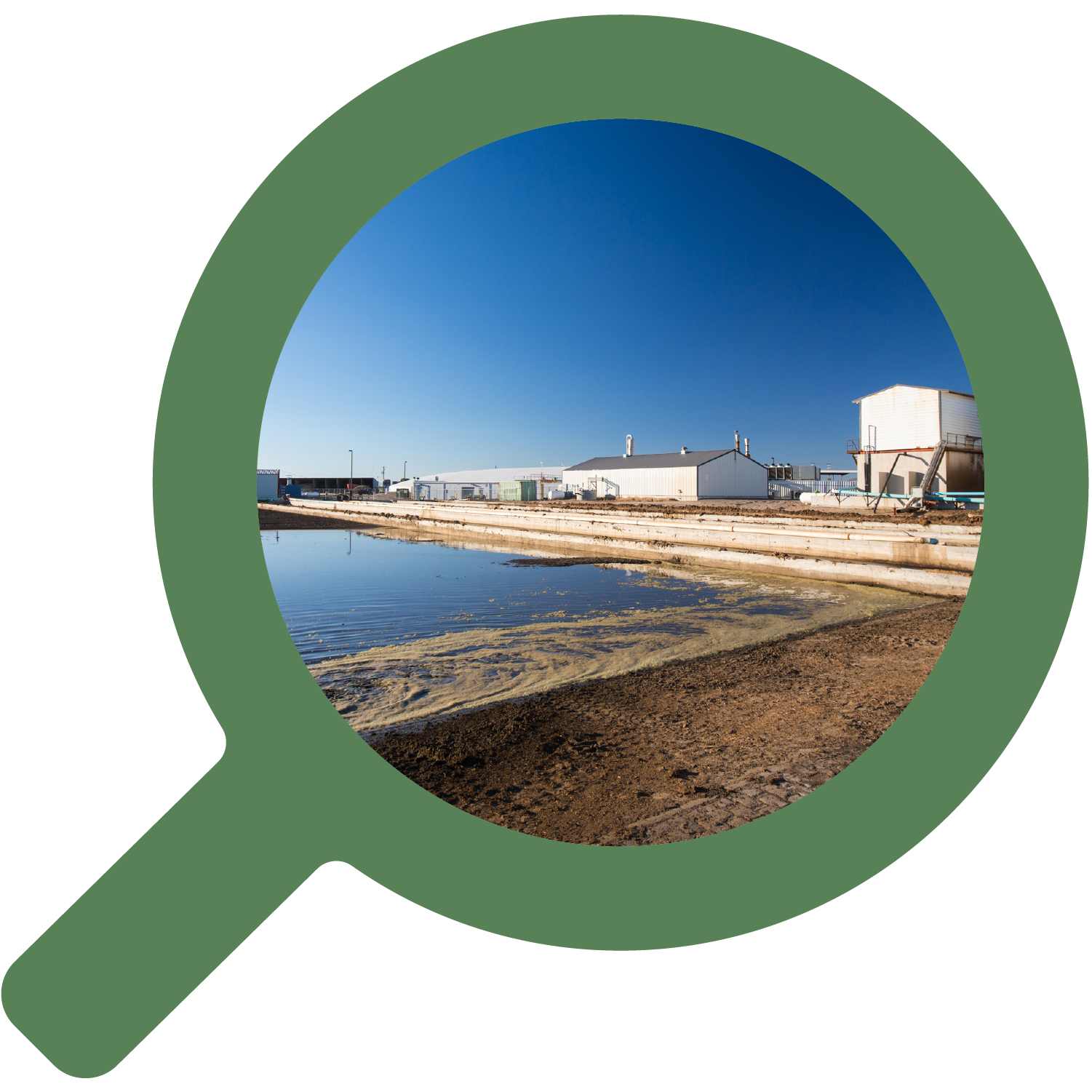
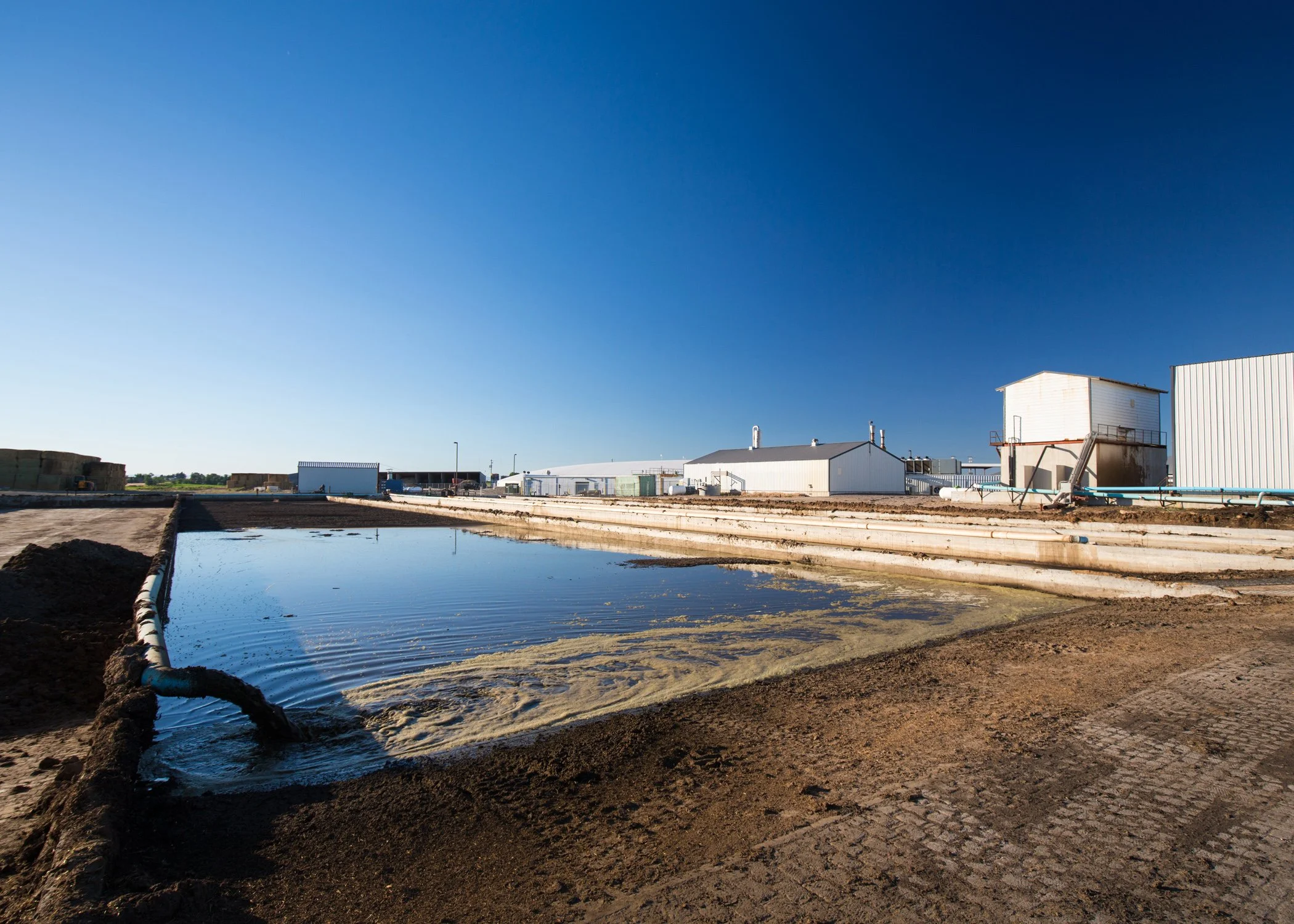
Dairy processing facilities generate large amounts of wastewater, leaving behind organic material that can be costly to manage. This BUILD Dairy research project explores how that material can be converted into valuable products using a process called hydrothermal liquefaction, which uses heat and pressure to produce bio-crude oil.
The research aims to identify sustainable ways to repurpose dairy processing byproducts, reduce waste disposal challenges, and potentially create new revenue opportunities for dairy processors. By evaluating the material's energy potential and the economic feasibility of this technology, the project could help dairy companies improve both environmental sustainability and operational efficiency.
Dr. April Leytem, Alaina Groom (MS Student)
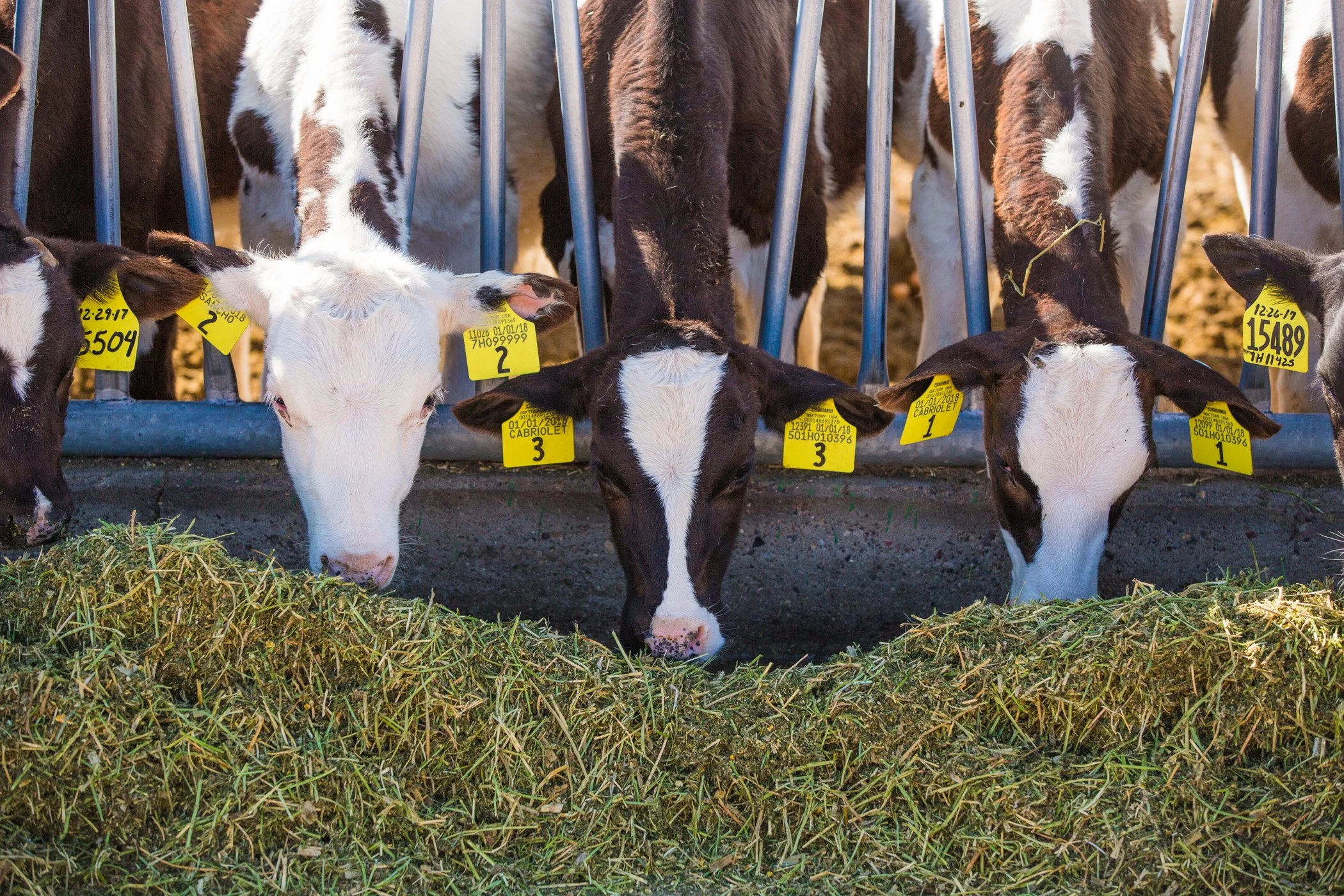
As new manure treatment technologies become available to dairy farmers to help manage nutrients on farm, more manure-based products become available for use in crop production. Data on nutrient availability of these different products is important to determine their value as a fertilizer source, in comparison to traditional commercial fertilizer. We evaluated the nitrogen value of dairy manure as well as two manure-based fertilizer products compared to traditional commercial N fertilizer for use in forage production. The use of manure and manure-based fertilizer products increased the amount of forage produced compared to commercial fertilizer at different fertilizer addition rates. There were no adverse effects on forage quality. This information will help producers better understand the nitrogen value of these products to improve nitrogen management on farm. This will also help to identify the value of nitrogen in these products compared to commercial fertilizer so these products could be used by other crop producers.